I used to be a compulsive overpacker. Not the kind where you jam an extra pair of shoes in at the end—I'm talking full-on two checked bags for a week in Spain because what if it gets cold? What if I want to dress up? What if I need options? The what-ifs ruled my packing logic, and my back paid the price.
My conversion to carry-on only happened in the most inconvenient way possible: my checked bag got sent to the wrong city and I spent four days in Lisbon wearing the same three items while waiting for my luggage to catch up. By day two, I realized something embarrassing: I barely noticed. The things I thought I needed were mostly things I wanted out of habit. This experience fundamentally changed how I approach packing, and I've been a carry-on devotee ever since.
The Psychology of Overpacking
Before we get into the practical stuff, let's talk about why we overpack in the first place. For most people, it's anxiety management. We're traveling somewhere unfamiliar, we can't control the variables, so we try to control what we can—which is how much stuff we bring. More stuff feels like more security. The problem is that more stuff creates its own problems: bag fees, physical burden, decision fatigue when you open your suitcase and face thirty outfit options, and the soul-crushing experience of schleppng oversized luggage through medieval European streets that were never designed for wheels.
Once I understood this, I could address the actual problem. It's not that I needed fewer things—it's that I needed to feel secure with fewer things. The solution isn't a better bag or fancier packing cubes. It's building confidence through experience: learning that yes, I can hand-wash a shirt in a sink and it will be dry by morning, and yes, I can wear the same jeans four times if I air them out between wears, and no, I will not spontaneously combust from not having seventeen different tops to choose from.
The 3-2-1 Rule That Actually Works
Here's my actual packing system. I call it the 3-2-1 rule, and I've taught it to dozens of fellow travelers who've made the same conversion I did.
Three tops: one you can dress up, one you can dress down, one that covers both. For me this looks like: a linen button-down, a quality t-shirt, and a lightweight Merino sweater. These three can be mixed and matched in ways that feel like variety without requiring nine separate items. The key is choosing items that actually go together—everything should be in the same color family so any top combines with any bottom.
Two bottoms: one shorts or skirt, one long pants. I bring dark-colored bottoms that don't show wrinkles or stains, because the goal is to look put-together without needing a steamer or immediate laundry.
One jacket: a layer that works for cool mornings, overly air-conditioned restaurants, and unexpected weather changes. I have a packing list specific to my jacket that goes inside the jacket pockets so I never forget the small essentials.
The Toiletries Revolution
Toiletries are where most people lose the carry-on battle. Full-size shampoo bottles, giant containers of moisturizer, an entire makeup collection. Here's what changed my approach: everything I need for up to two weeks fits in a quart-size bag. Not because I'm using sample sizes, but because I've ruthlessly evaluated what I actually use versus what I think I'm supposed to use.
I have a hard rule: if I haven't used something in the last month at home, I'm not bringing it. This eliminates 80% of my toiletries anxiety. The other 20% gets solved by solid toiletries—solid shampoo, solid conditioner, solid deodorant—which take up less space, don't count as liquids, and last longer than their liquid equivalents. I use a small container of multifunctional moisturizer that works for face and body. I bring one makeup item that adds color to my face and skips everything else.
Laundry Reality
The question everyone asks is: but what about laundry? My answer: it's not a crisis, it's a system. For trips under two weeks, sink laundry is sufficient. I wash items in the sink before bed, hang them overnight, and they're ready by morning. Merino wool t-shirts can be worn multiple times between washes because the material resists odor in ways cotton doesn't. For trips longer than two weeks, I budget one laundry session per week—usually at a laundromat where I also get the local experience of chatting with neighborhood regulars.
Quick-dry fabrics changed this equation entirely. Anything labeled "quick-dry" can be washed at night and worn the next morning. I build my entire packing strategy around quick-dry materials because they solve the problem of limited wardrobe without requiring expensive technical gear.
What Actually Goes in the Bag
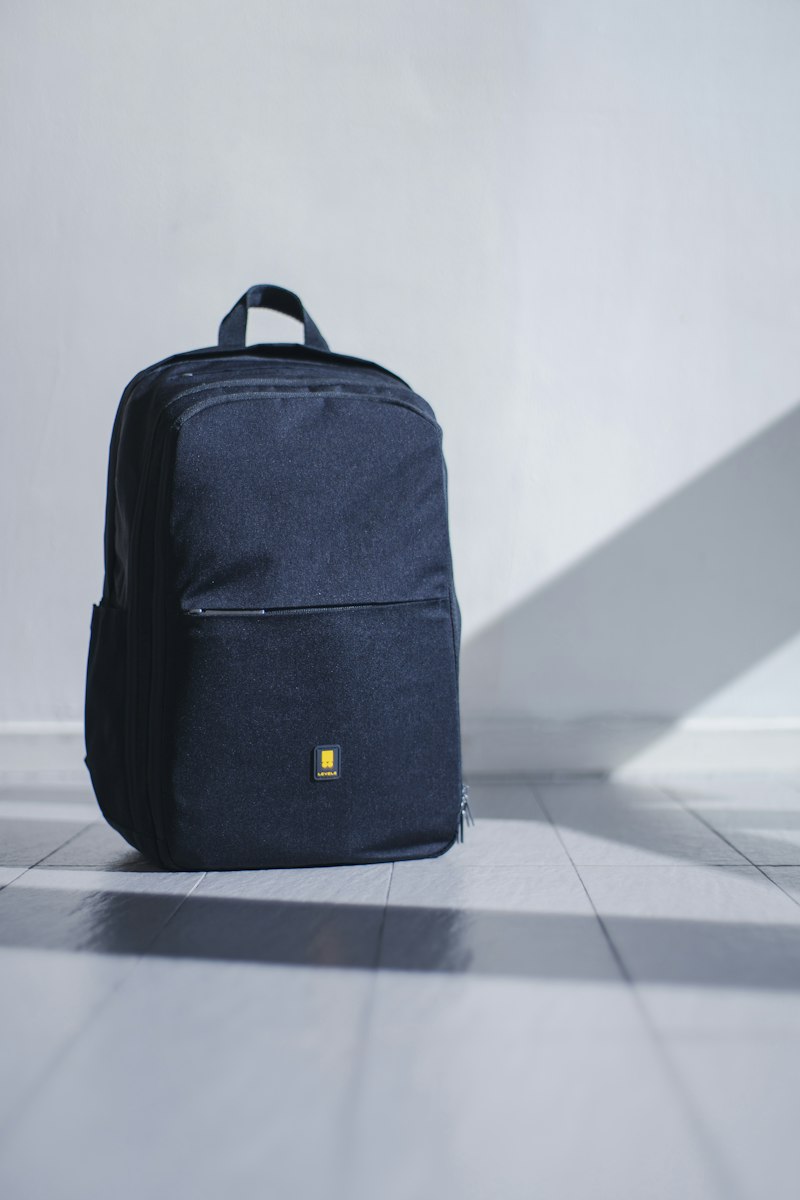
My actual bag contents for a typical trip: three tops, two bottoms, one jacket, seven underwear, three socks, one sleepwear set, toiletries kit, electronics (phone, charger, battery bank, adapter), one pair of flip-flops that double as shower shoes and beach shoes, and one pair of walking shoes that I've already broken in. Everything fits in a 35-liter backpack with room to spare for things I buy along the way.
The freedom this creates is real. I can walk past the luggage carousel and head straight outside. I never check a bag so I never lose a bag. I can take any train, bus, or ferry without worrying about storage capacity. I move through airports faster and lighter. And I spend less mental energy on my stuff and more on the actual experience of being wherever I am.
Packing light isn't about deprivation. It's about curation. It's about deciding, deliberately, what actually adds value to your travel experience—and leaving the rest behind without FOMO, without anxiety, and without the physical burden of dragging everything you own across a foreign country.