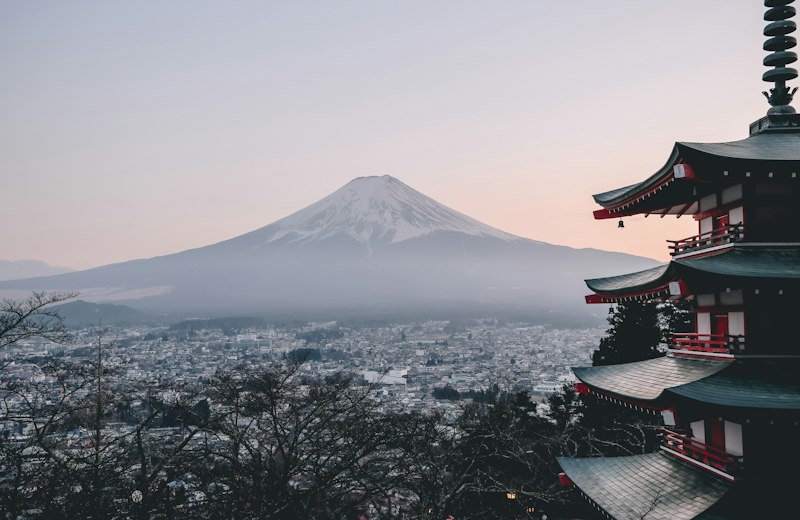
Every year the travel internet tells us about the same destinations: Lisbon, Bali, Kyoto, Prague. These places are popular for good reasons— they're genuinely wonderful—but the result is a certain homogenization of the travel experience. You can only eat the same $15 avocado toast in the same influencer-designed café in Lisbon before you start wondering if you're actually experiencing Portugal or just experiencing a globalized version of what Portugal looks like through a camera lens.
The destinations I'm writing about here are places where you can still have something approaching genuine discovery. Not because they're secret—locals obviously know about them—but because they haven't yet been absorbed into the global travel consciousness in the same way. Some won't stay this way for long. Visit them now while they still feel like finding something real.
The Alentejo Interior, Portugal
While coastal Portugal gets more crowded every year, the interior Alentejo region remains remarkably underexplored. Rolling cork oak forests, whitewashed villages that seem frozen in time, wineries where you taste directly from the producer without a tasting room fee. I spent a week here last spring cycling between villages and cannot remember the last time I felt so completely outside the tourist bubble.
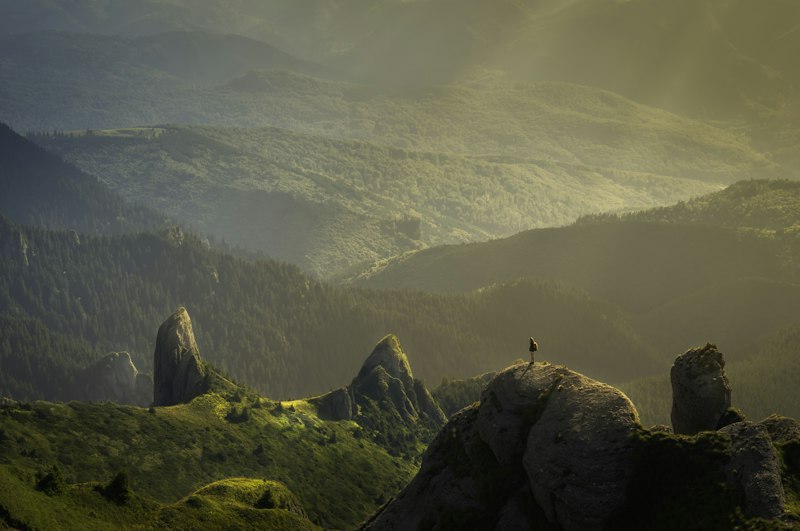
The food here is extraordinary—translucent slices of prosciutto-like ham from the region's black pigs, runny sheep's milk cheese, bread baked in wood-fired ovens—and it's priced for locals, not visitors. The villages are small enough that you'll start recognizing faces after a day or two, which is an intimacy you simply cannot find in the tourist corridors.
Raja Ampat, Indonesia
Everyone knows Bali. Most people have heard of Komodo. But Raja Ampat, the archipelago at the northern tip of the Coral Triangle, remains genuinely off the radar for most travelers. This is partly because access is complicated and expensive—you need either a liveaboard dive boat or a series of domestic flights and boat hires to reach the outer islands. It's partly because the infrastructure is minimal, which keeps the mass market away.
What you'll find if you make the effort: the most biodiverse marine ecosystem on earth, island karst formations that look like something from a dream, and villages where traditional life continues much as it has for centuries. The snorkeling here—yes, you don't even need to be a diver—reveals coral gardens that feel like swimming through an aquarium.
The Dolomites in Summer
Everyone photographs the Dolomites in summer, but the Italian Alps still feel significantly less crowded than their Swiss or Austrian counterparts. The key is to visit in June, before the high season fully establishes itself, or to venture beyond the famous peaks into the lesser-known valleys that don't appear in coffee table books.
The Alta Via trails offer some of the best high-altitude hiking in Europe, with refuge shelters along the route that make multi-day walks accessible without camping gear. The food is mountain food done really well—polenta, game stews, Tyrolean dumplings—and the wine from the valleys below is excellent and priced for locals.
Sichuan Province, China
Most Western travelers to China concentrate on the Golden Triangle—Beijing, Xi'an, Shanghai—or the usual Yunnan suspects. Sichuan gets overlooked, which is a shame because it might be the most diverse province in the country. Giant pandas in nature reserves that actually feel wild. The Buddhist cave temples at Leshan, carved from a single mountainside and still active today. The tea houses of Chengdu, where the traditional tea ceremony is still performed in spaces that haven't changed in a century.
The food is what most people remember. Sichuan cuisine is considered the finest in China by Chinese people who care about food, and Chengdu is one of the few Chinese cities where the food culture has become sufficiently famous to attract domestic tourism without yet becoming a global cliché. This means you can still eat in restaurants where no one speaks English and the menu has no pictures, and have one of the best meals of your life.
The Transylvanian Plateau, Romania
Romania gets some tourism around Bucharest and the famous Painted Monasteries of Moldavia, but the Transylvanian Plateau—those rolling hills between the Carpathian Mountains—remains genuinely off the map. Medieval Saxon villages with fortified churches that predate the Ottoman Empire. Towns like Sighișoara where Vlad Țepeș was supposedly born, and where you can climb a 500-year-old clock tower for views that feel completely disconnected from the 21st century.
Beyond the obvious heritage attractions, the region has excellent wine—Romanian wine is still largely unknown outside Eastern Europe—and a food culture based on hearty peasant cooking that rewards curiosity. This is a place where you can genuinely feel the weight of centuries in the landscape, where the forests are still managed by traditional methods, and where the pace of life in rural villages hasn't changed dramatically in living memory.
Why "Hidden" Is Always Temporary
I want to be honest about something: every destination in this article is already experiencing the early stages of increased visitation. Social media has accelerated the travel discovery cycle to the point where "undiscovered" might mean "only has 50,000 Instagram posts instead of 500,000." The destinations that were genuinely off the map five years ago are now on every budget traveler's list.
This is why I don't believe in waiting for the "right time" to visit somewhere. Go now if it matters to you. Go before it changes. Go not to consume it but to experience it—because the places we love most are the ones we engage with as participants rather than spectators, and those engagements are valuable regardless of whether the destination is trending.