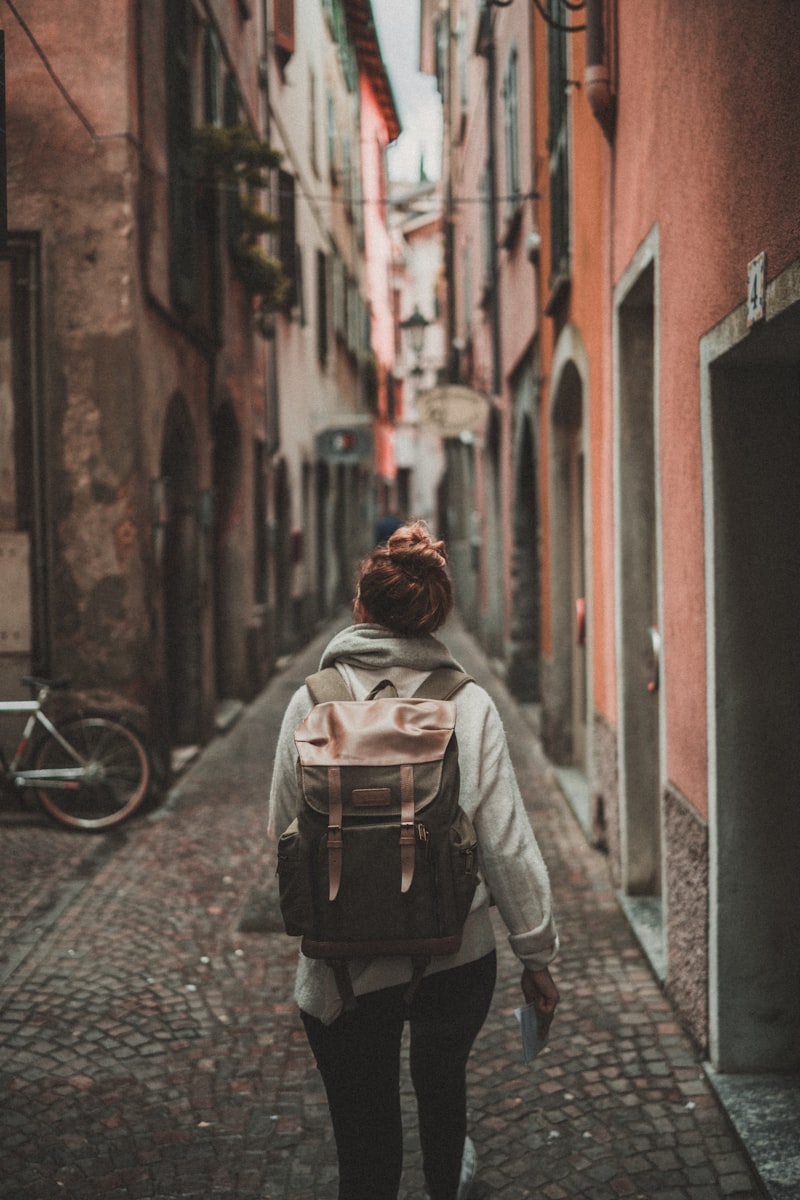
I have approximately 40,000 travel photos from fifteen years of traveling. Of those, maybe 200 are worth keeping. Maybe 50 are genuinely good. This ratio bothered me for years until I realized it was the wrong metric. The goal isn't to produce a perfect image every time—the goal is to develop an eye that sees photographs before you take them, so that when something genuinely interesting happens in front of your lens, you're ready to capture it in a way that feels true to the experience.
Travel photography at its best isn't about landmarks. It's not about capturing proof that you were somewhere. It's about capturing the feeling of being somewhere—the quality of light through a window at 7am in a market town, the particular exhaustion on a traveler's face at the end of a long journey, the way an ancient building looks dwarfed by modern construction pressing in on all sides. These images don't require expensive equipment or technical mastery. They require attention.
The Attention Practice
Here's an exercise I do before every trip: I spend the first two days almost never taking photos. Instead, I walk through wherever I am with my camera at my side but down, simply paying attention. Where does the light fall in the morning versus the afternoon? Which streets feel most alive? What are the characteristic gestures and postures of the people who live here? What details keep appearing—patterns in the architecture, recurring objects, specific colors that define this place?
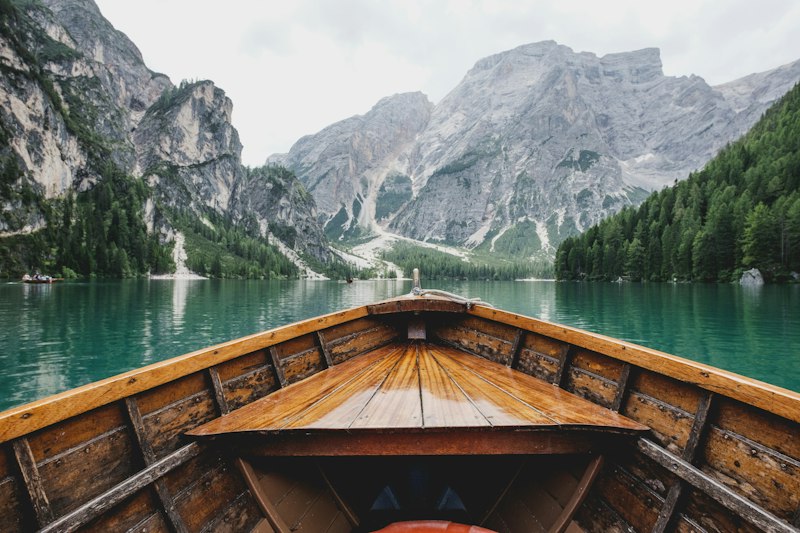
By the time I start photographing in earnest, I have genuine knowledge of the place rather than just impressions of it. I know which scenes are characteristic and which are tourist-stage-managed. I know the difference between the village at 6am, when it's still a working community, and the village at noon, when it's been converted into a backdrop for day-trippers. This changes what I photograph and how I photograph it.
Beyond the Iconic Shot
The problem with iconic travel photography is that it's been done. That sunset over the temples, that reflection in the water of the pagodas, that llama in front of the mountain—someone else took the definitive version of this photograph years ago, and unless you're bringing genuinely new technical capabilities or a completely novel perspective, you're just adding to the noise. This doesn't mean avoid iconic subjects. It means use them as starting points rather than destinations.
The photograph I took of Wat Phra Si Mahathat in Ayutthaya wasn't the famous Buddha head in the tree roots—everyone takes that photo—but the groundskeeper sitting on an ancient stone, eating lunch alone, with the ruins towering behind him. That's the image I remember, that's the image that tells you something about the experience of being there, and that's the image that would be impossible to stage because it's a moment that lasted exactly the time it took for me to raise my camera and press the shutter.
Technical Basics That Actually Matter
You don't need to understand everything about your camera to take good travel photos. But you do need to understand three things: focus, exposure, and composition. Modern smartphone cameras handle exposure and focus automatically in most situations, but they still need your guidance in high-contrast scenes—point at the shadows for more detail in dark areas, point at the highlights if you want to avoid blowing out bright areas.
For composition, the most useful principle is also the most frequently ignored: fill the frame. Empty space in a photograph is usually waste, not atmosphere. If your subject is small in the frame because you left space around it "for context," you've actually just taken a photo of the context with a tiny subject in it. Get closer. Make the thing you're photographing the thing the photograph is of.
The Uncomfortable Ethics of Photographing People
Travel photography that involves local people raises ethical questions that no amount of technical advice can resolve. When is a photograph respectful, and when does it become exploitation? When does documenting a culture become extracting from it?
I have a simple framework: if I'm going to publish or share a photo of a specific person, I ask permission. This is sometimes impractical—candid street photography by definition can't ask first—but it creates a practice of seeing the person in the frame as a person rather than a subject. When I can't ask (candid street scenes, busy markets, etc.), I make a judgment about whether the image dignifies or diminishes the person in it. Would they be glad to see this photo? Would they recognize themselves in the story it tells?
The best travel photographs usually require some element of trust between photographer and subject, and trust requires presence. The images that feel most true are the ones taken after I've spent time in a place, after people have gotten used to my camera, after I've earned the right to photograph them by being a person who belongs there rather than a person passing through with a lens.